The Pilar Institute and the Catholic Faculty of Theology Signed a Cooperation Agreement; Zagreb, 21/09/2026
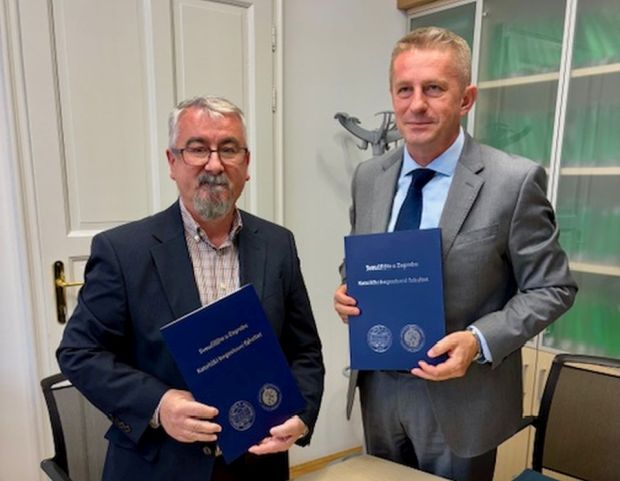
The Ivo Pilar Institute of Social Sciences and the Catholic Faculty of Theology, University of Zagreb, have signed a Cooperation Agreement aimed at developing and strengthening joint activities in the fields of scientific research, professional work, and education
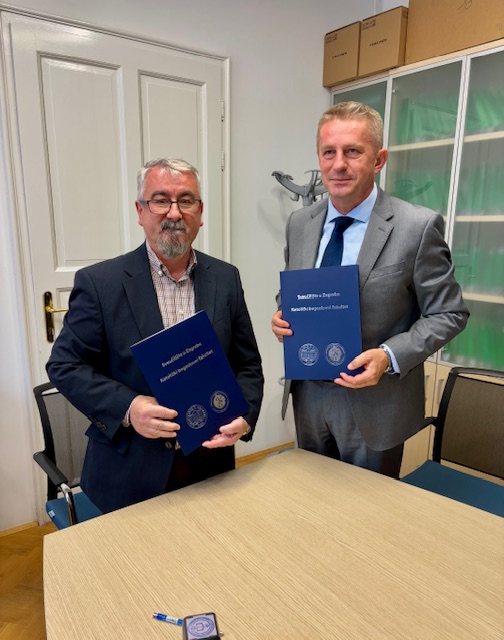
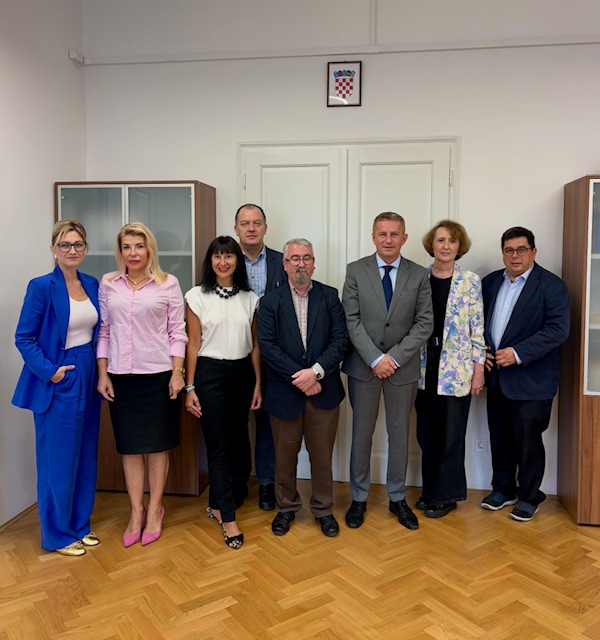
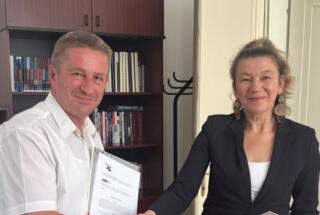
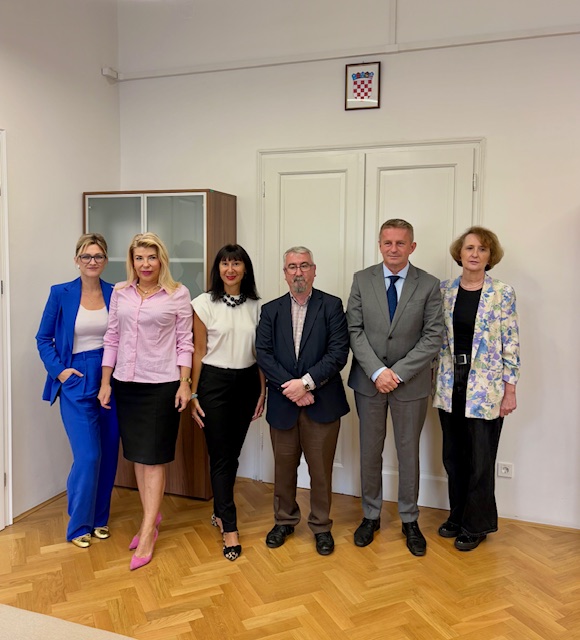
The Agreement was signed by the Director of the Pilar Institute Prof. Željko Holjevac, PhD, and the Dean of the Catholic Faculty of Theology, University of Zagreb, Prof. Mario Cifrak, PhD, within the framework of the project Dynamics and Challenges of Migration, Re-migration and Immigration in the Republic of Croatia (DinamiRH).
The signing ceremony was also attended by Rebeka Mesarić Žabčić, PhD, Head of the DinamiRH project, and representatives of the Catholic Faculty of Theology.
The cooperation between the two institutions will include the implementation of joint scientific research and professional projects, the organization of and participation in scientific and professional conferences, congresses, seminars, workshops and other academic events, as well as the preparation and submission of national and international projects of mutual interest.
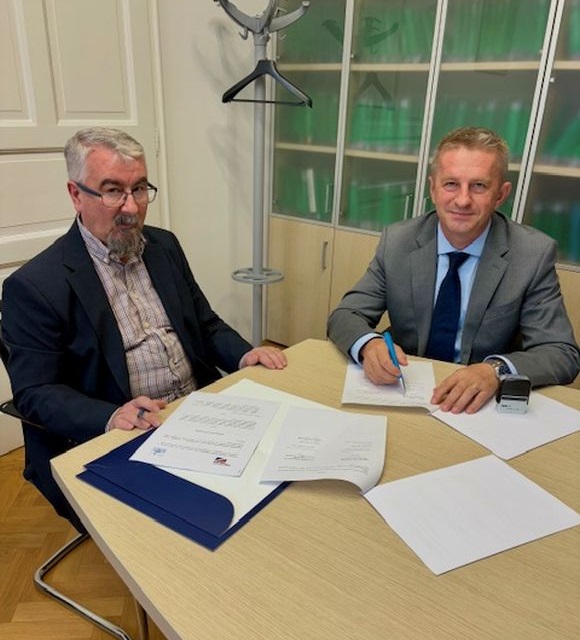
The Agreement also provides for cooperation in the preparation of scientific and professional expert studies and analyses, the exchange of knowledge and expertise, participation in publishing activities, and the organization of educational, scientific and popular-science events aimed at both the academic community and the wider public.
Particular attention will be devoted to developing interdisciplinary cooperation in the fields of migration, demography, social sciences and the humanities, as well as to connecting scientific and educational activities with contemporary social challenges and applying new technologies for the advancement and transfer of knowledge.
By signing this Agreement, the Pilar Institute and the Catholic Faculty of Theology reaffirm their commitment to strengthening cooperation between scientific and higher education institutions, exchanging knowledge and expertise, and working jointly to research and better understand contemporary social processes.