A round table was held at the Pilar Institute on the occasion of the 65th anniversary of the Studia Croatica journal; Zagreb, 25/03/2026
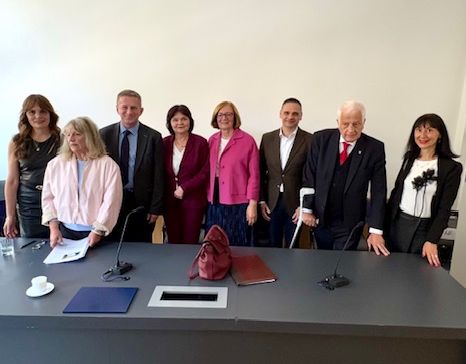
A round table was held on 25 March 2026 at the Pilar Institute in Zagreb to mark the 65th anniversary of the founding of the Studia Croatica journal. The event was organised on the basis of the Cooperation Agreement between the two actors, as part of the project Dynamics and Challenges of Migration, Re-Migration and Immigration in the Republic of Croatia (DinamiRH)
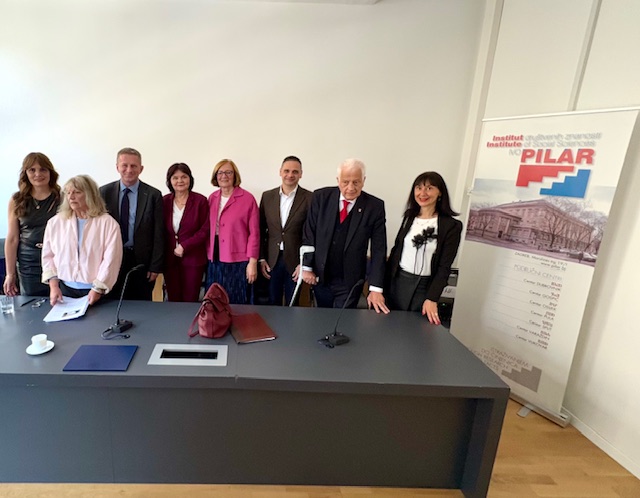
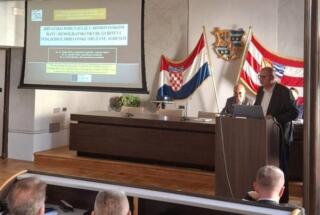
The gathering was welcomed by the Director of the Pilar Institute, Prof. Željko Holjevac, PhD, and the project was presented by its head, Rebeka Mesarić Žabčić, PhD, who also moderated the round table and the presentation of the journal, which was attended by numerous distinguished experts and representatives of the academic and cultural community: Mag. Joza Vrljičak, Editor-in-Chief of the Studia Croatica journal, Mag. Adriana Smajić, editor of the journal, Vesna Kukavica, Prof., from the Croatian Heritage Foundation, editor-in-chief of the Croatian Emigrant Almanac, Prof. Mirjana Polić Bobić, PhD, editor of the Croatian Review journal and a renowned Hispanic scholar, Prof. Francisco Javier Juez Gálvez, PhD, from the Complutense University of Madrid, who joined online, and academician Carmen Vrljičak, president of the Centro de Estudios Argentino Croata Mama Antula – Cardinal Stepinac.
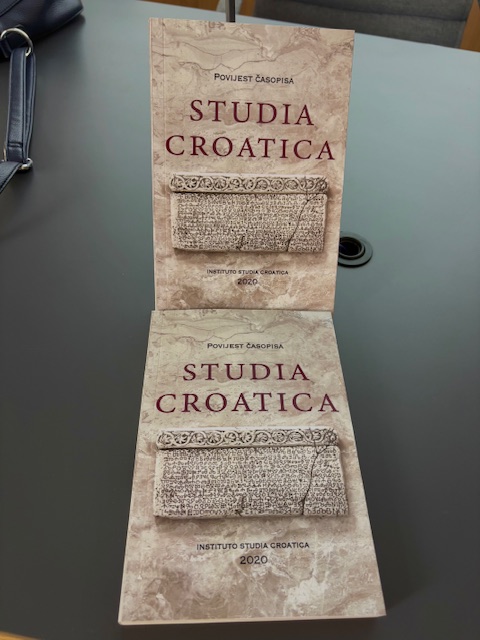
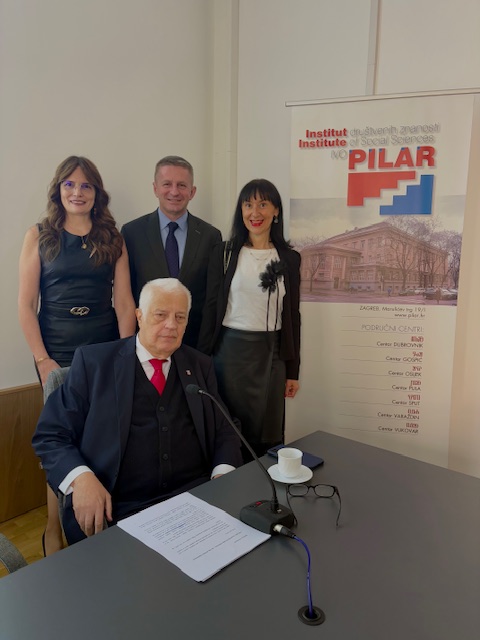
The round table presented the complete history of the establishment and activities of the Studia Croatica to the present day, highlighting its important role in preserving Croatian identity, language and culture in the diaspora. The journal was created within the circle of Croatian political and intellectual emigration with the aim of preserving national identity and promoting Croatian cultural, historical and social issues in an international context.

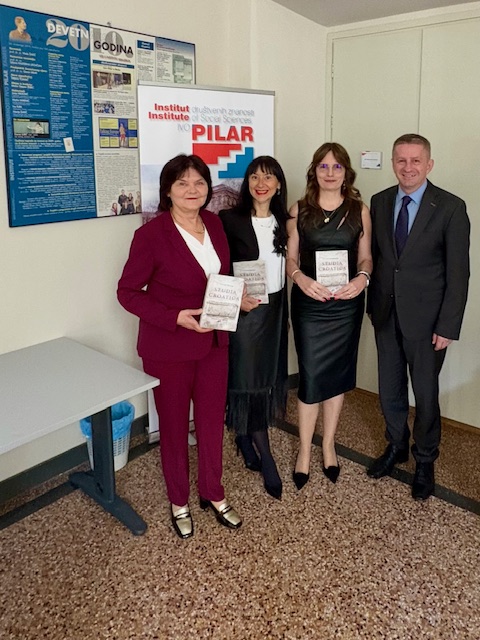
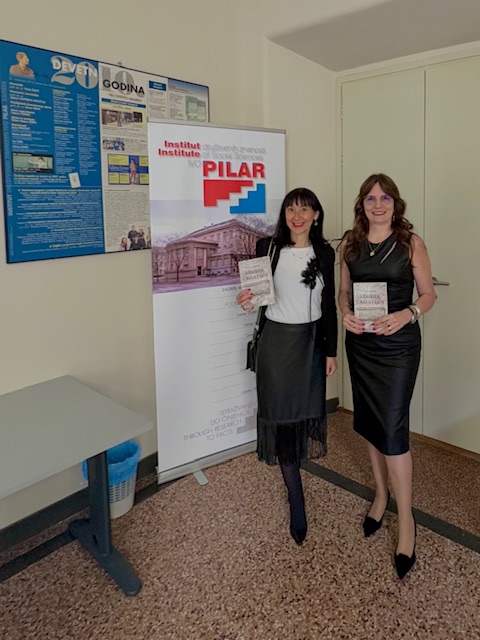
Over the past decades, Studia Croatica has covered a wide range of topics – from Croatian history, politics and culture to issues of identity, language and the position of Croatian emigrants. It was particularly important as a platform for free expression and scientific and journalistic work in periods when such a space was not available in the homeland.
The participants also touched on the topic of current challenges of migration movements, including the return of emigrants, the integration of immigrants and their impact on the social and demographic development of the Republic of Croatia. The importance of further cooperation between scientific institutions and publications in researching these complex and current topics was particularly emphasized.