International Conference on Labour Migration from Asia to Central and Eastern Europe at the Pilar Institute; 29/10/2026
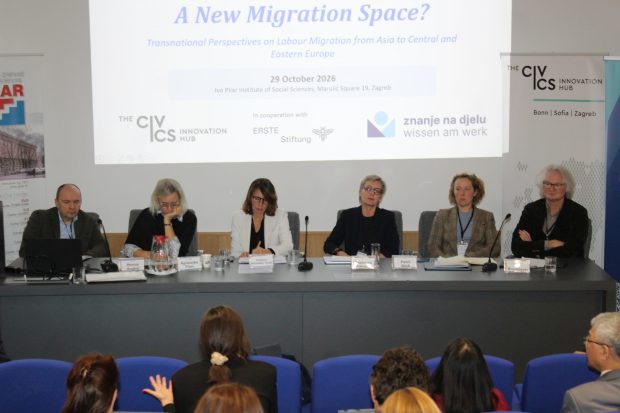
On 29 October 2026, the Pilar Institute hosted the international scientific conference A New Migration Space? Transnational Perspectives on Labour Migration from Asia to Central and Eastern Europe, dedicated to contemporary migration processes and the growing importance of Central and Eastern European countries as destinations for migrant workers from Asia
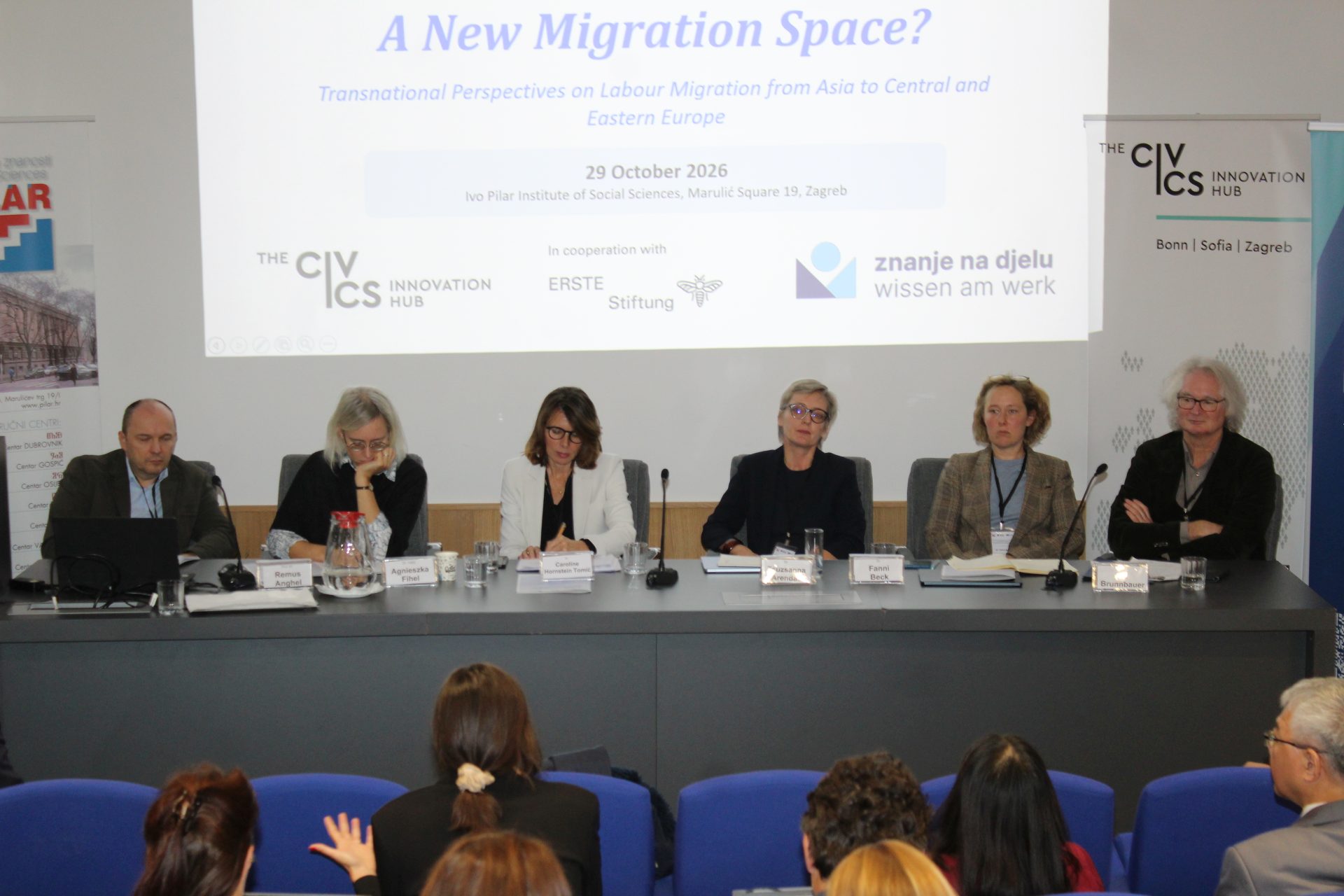
The conference brought together internationally recognised scholars and migration experts, representatives of Croatian government institutions and international organisations, including the World Bank, as well as employers, trade unions, journalists and representatives of civil society organisations. Participants also included representatives of the diplomatic missions of India, Germany and Spain, alongside a representative of the Philippine government responsible for labour migration affairs. Scholars and researchers from Kazakhstan, Sri Lanka, Slovenia, Slovakia, the Philippines, Qatar, Germany, Austria, Romania, Hungary and Poland attended the conference, together with representatives of Croatian universities and research institutes.
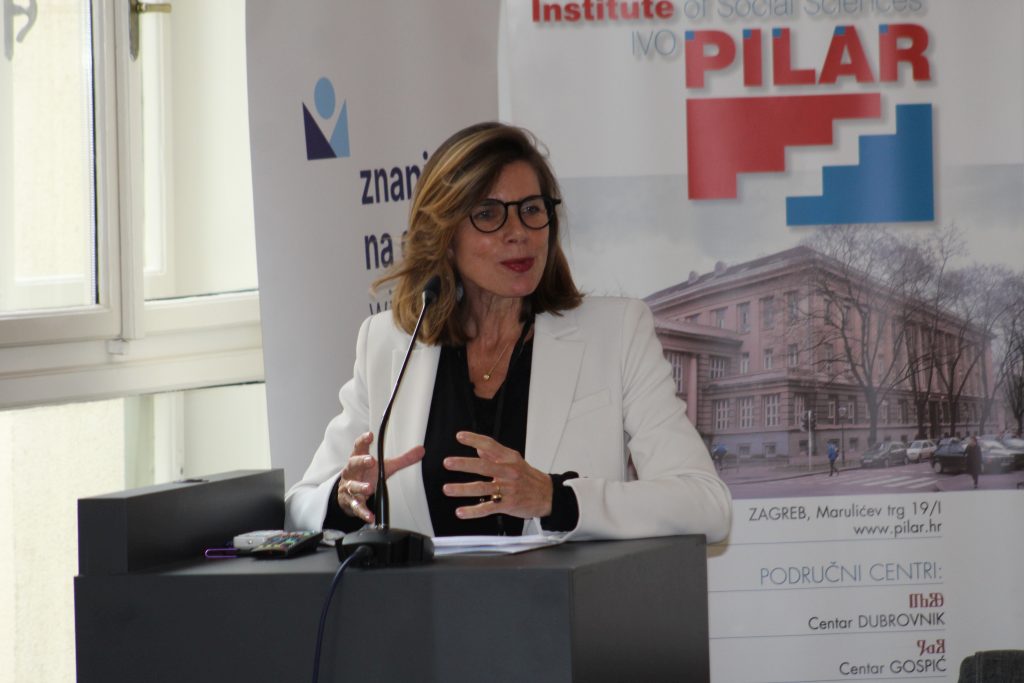
The conference was opened with welcome addresses by Prof. Željko Holjevac, PhD, Director of the Pilar Institute, and Norbert Eschborn, PhD, Director of the Konrad Adenauer Foundation Office for Croatia and Slovenia. Introductory presentations were delivered by Caroline Hornstein Tomić, PhD, from the Pilar Institute and Prof. Ulf Brunnbauer, PhD, from the Leibniz Institute for East and Southeast European Studies in Regensburg. Their contributions outlined the broader context of demographic change, labour shortages and emerging migration patterns across Central and Eastern Europe.
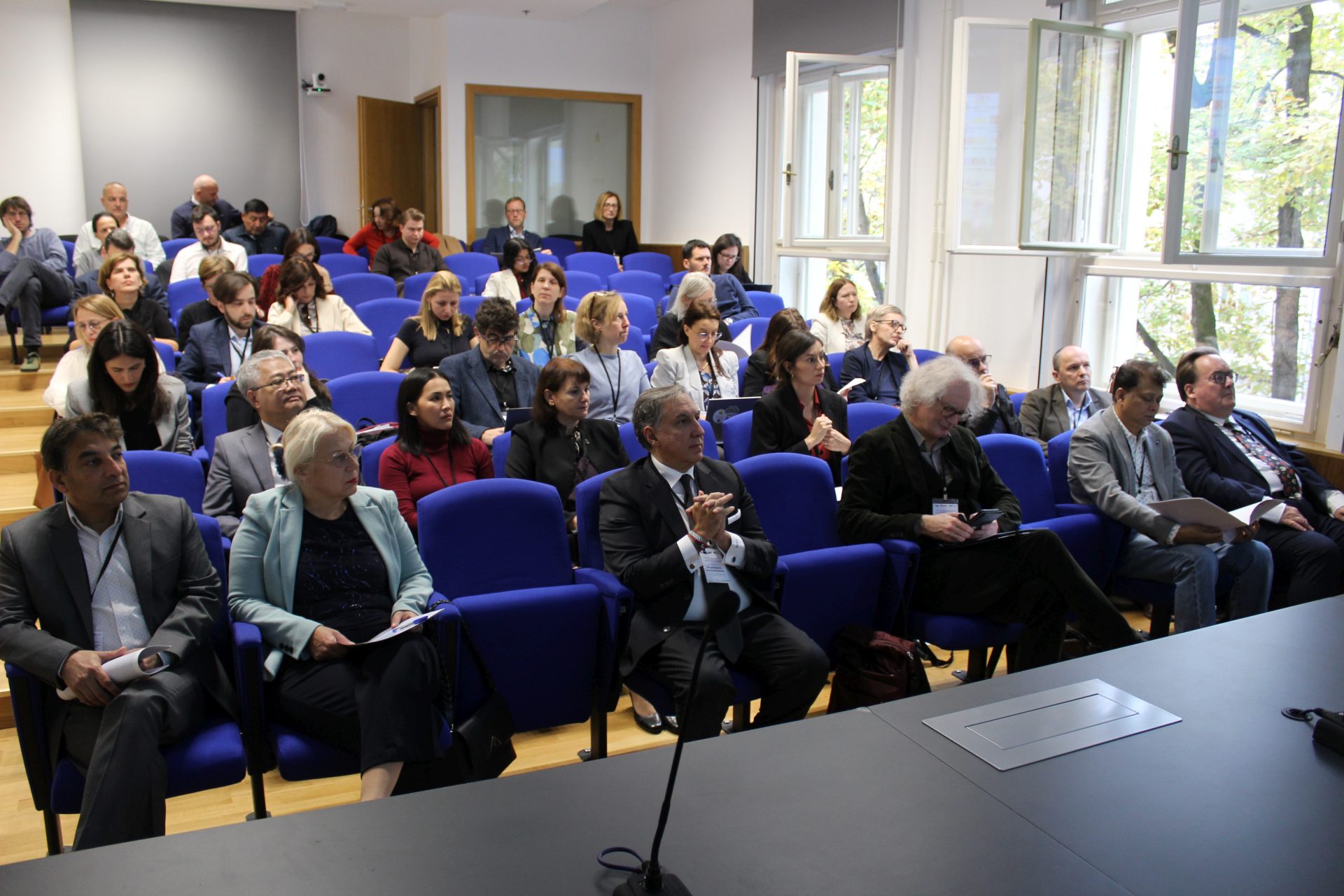
The first panel, CEE as an Emerging Dynamic Migration Space?, examined the transformation of Central and Eastern Europe from a traditionally emigration-oriented region into an increasingly important destination for international labour migration. Presentations by researchers from Croatia, Romania, Poland and Hungary explored similarities and differences in migration policies, demographic trends, labour market demands and societal responses to the arrival of foreign workers. Particular attention was paid to migration from Asian countries, the role of employers and recruitment agencies, institutional preparedness and challenges related to social integration. The discussion also addressed the relationship between political narratives surrounding migration and the actual labour needs of national economies. The panel was moderated by Prof. Ulf Brunnbauer, PhD.
The second panel, Perspectives on Migration & Development in Sending and Receiving Countries – Aligned, or Far Apart?, focused on the transnational dimension of labour migration, particularly the relationship between countries of origin and destination. Presentations addressed migration trajectories of Asian workers, the role of the Gulf states, migrant remittances, international recruitment systems, recognition of qualifications and the developmental implications of migration. Special attention was given to the interests of sending and receiving countries, the protection of workers’ rights and opportunities to establish fairer and more effective systems of international labour mobility. The panel was moderated by Caroline Hornstein Tomić, PhD.
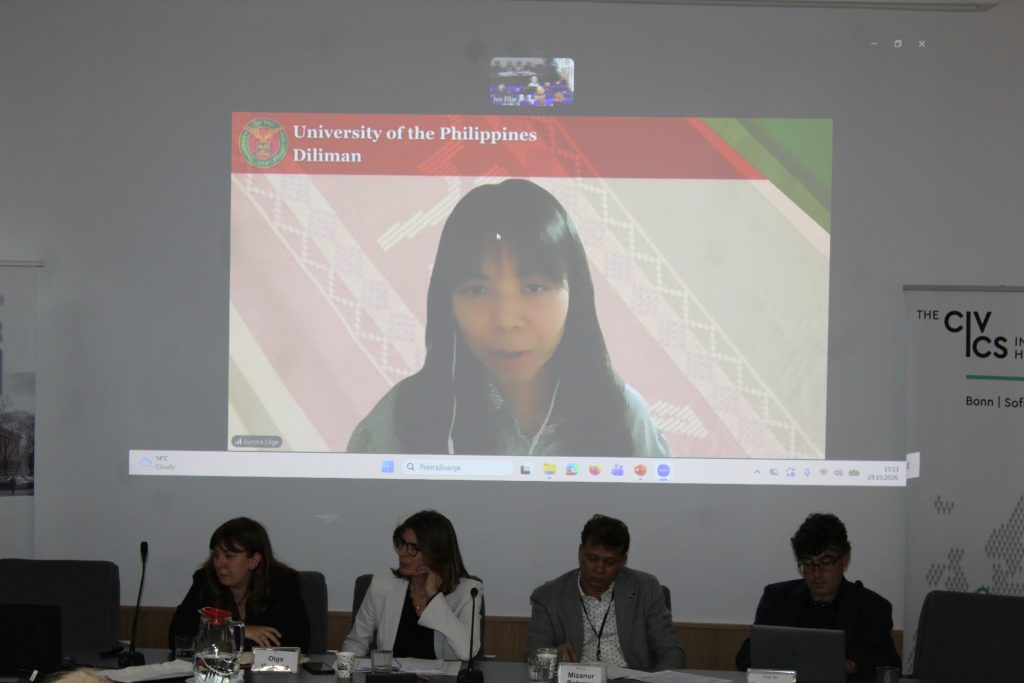
The final part of the conference featured a roundtable discussion entitled How to Shape Migration Governance Transnationally?, focusing on opportunities for international and cooperation across sectors in labour migration governance and migrant integration. The discussion brought together Ivan Vidiš, State Secretary at the Croatian Ministry of Labour, Pension System, Family and Social Policy; Atty. Delmer Cruz, Labour Attaché at the Philippine Migrant Workers Office; Mauro Testaverde, PhD, from the World Bank; and Marko Pekčec from Manpower. The roundtable was moderated by Ana Budimir Župić.
A central question was how Croatia, after abolishing its annual quota system for foreign workers in 2021, could improve labour migration governance through closer cooperation with countries of origin. Ivan Vidiš highlighted the development of bilateral cooperation, including existing arrangements with the Philippines and a recently signed memorandum of understanding with Uzbekistan. He also announced plans to extend recruitment guidelines for Filipino workers, previously focused on hospitality, to additional economic sectors.
Delmer Cruz emphasised the importance of reliable migration data, noting that a substantial proportion of Filipino workers arriving in Croatia come from other countries rather than directly from the Philippines. Mauro Testaverde compared different European approaches to labour migration regulation, pointing out that quota-based and demand-driven systems are not necessarily mutually exclusive and can operate alongside one another. Marko Pekčec stressed the need for targeted integration measures and language support tailored to workers’ actual needs in the workplace and everyday life. The discussion generated numerous questions and comments from conference participants.
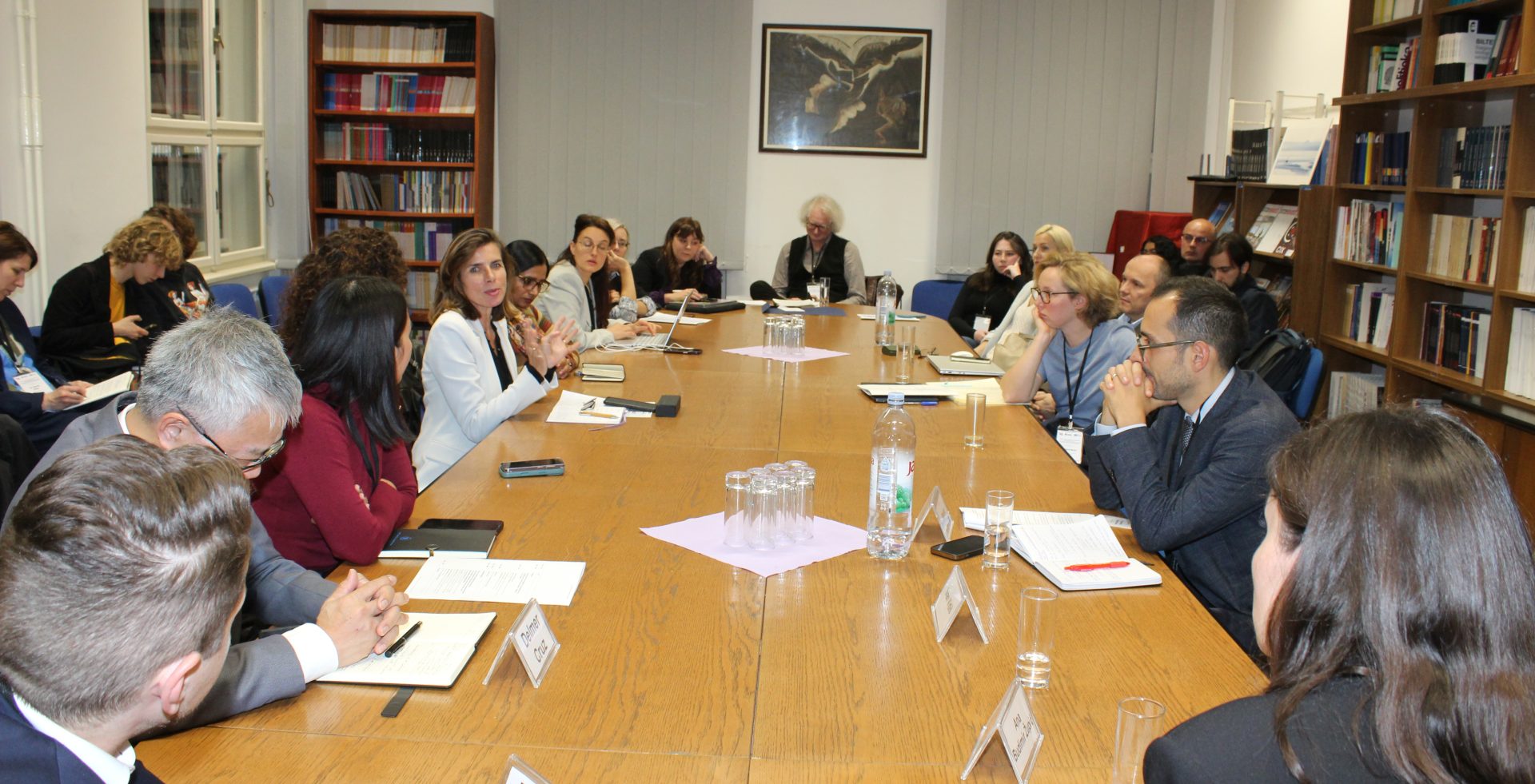
The conference provided an opportunity to exchange scientific knowledge and practical experience concerning one of the most significant contemporary social and demographic transformations in Central and Eastern Europe. It particularly highlighted the importance of understanding labour migration as a transnational process connecting countries of origin and destination, requiring cooperation among the scientific community, public institutions, employers and other social actors.
The conference was co-organised by the Ivo Pilar Institute of Social Sciences, the Konrad Adenauer Foundation – Office for Croatia and Slovenia, the Leibniz Institute for East and Southeast European Studies, ERSTE Foundation, THE CIVICS Innovation Hub and Znanje na djelu.