New activities of the TYPeS project and the Vis Regional Center; Zagreb – Vis, 16-26/02/2026
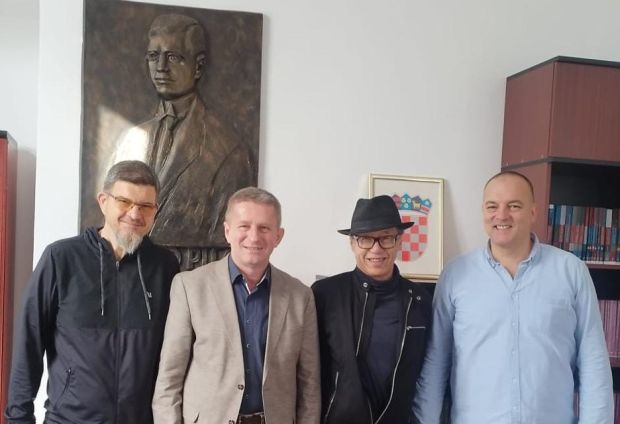
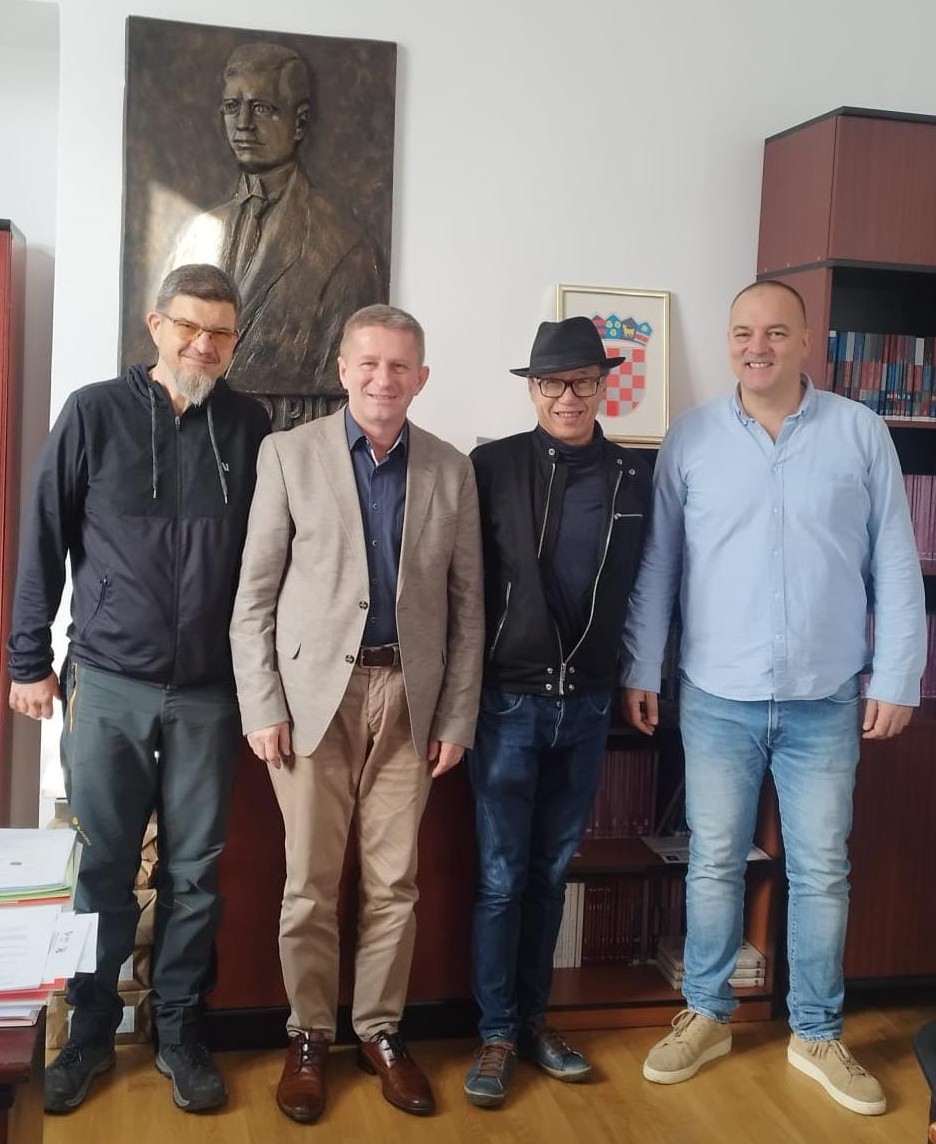
Prof. Toshiya Ueno, PhD, a collaborator on the TYPeS project, stayed in Croatia from 16 to 26 February 2026. In addition to meeting with the director of the Pilar Institute, Prof. Željko Holjevac, PhD, and participating in project meetings in Zagreb, he also stayed on the island of Vis to participate in an ethnographic research section with Benjamin Perasović, PhD
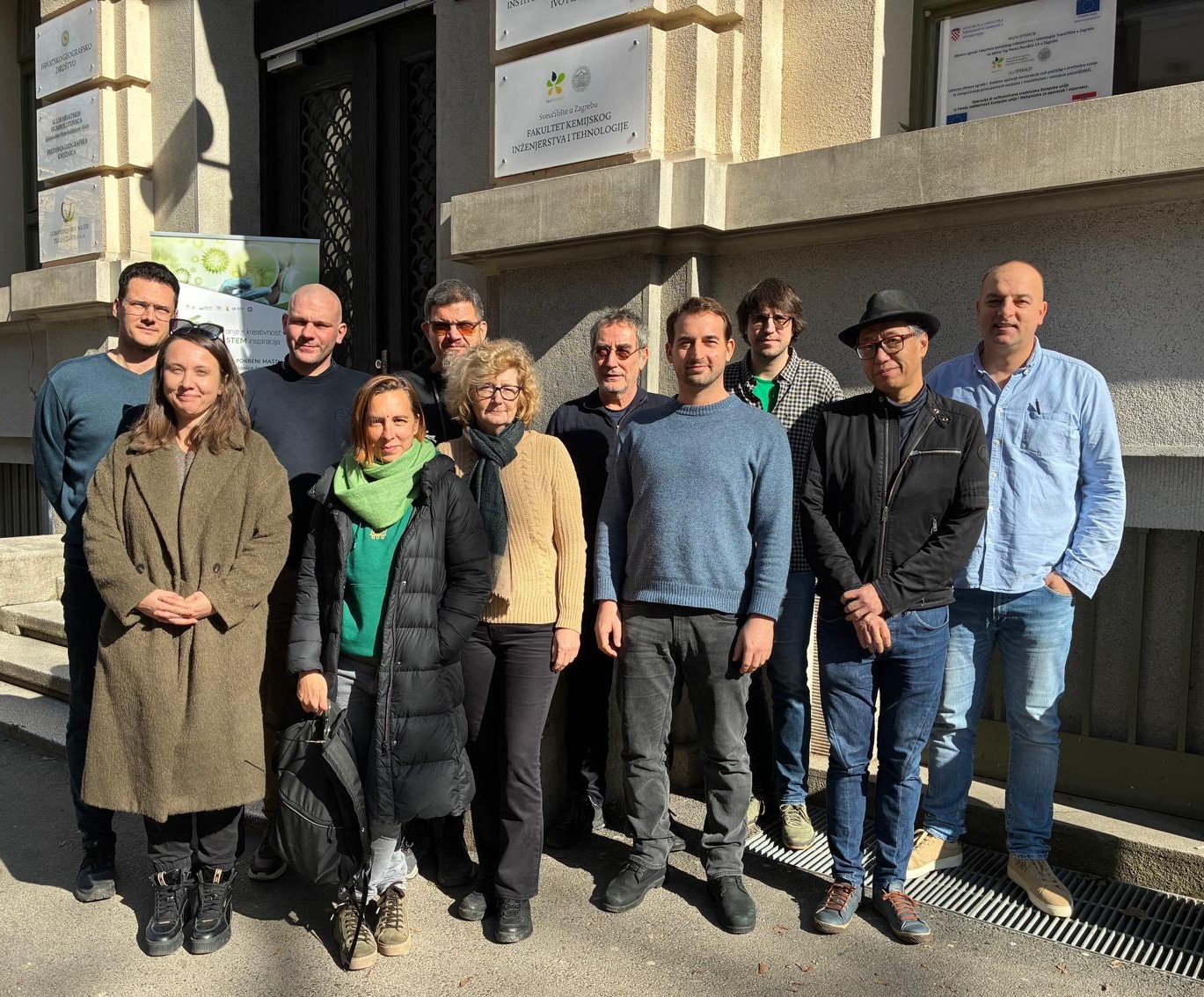
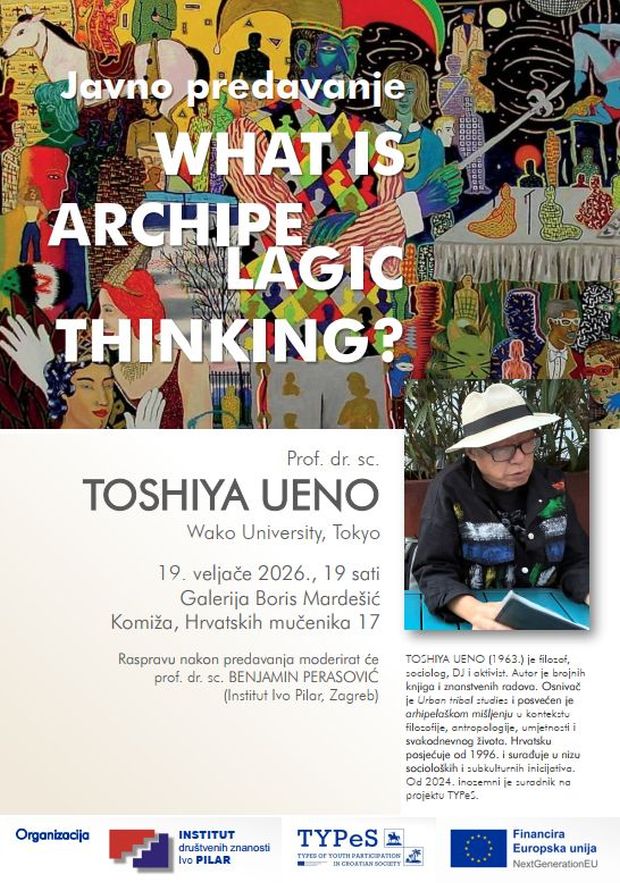
During his stay on Vis, Prof. Ueno delivered a public lecture titled “What is archipelagic thinking?” at the Boris Mardešić Gallery in Komiža on 19 February 2026, with the organizational support of the TYPeS project, the Vis Regional Center and the cities of Vis and Komiža.
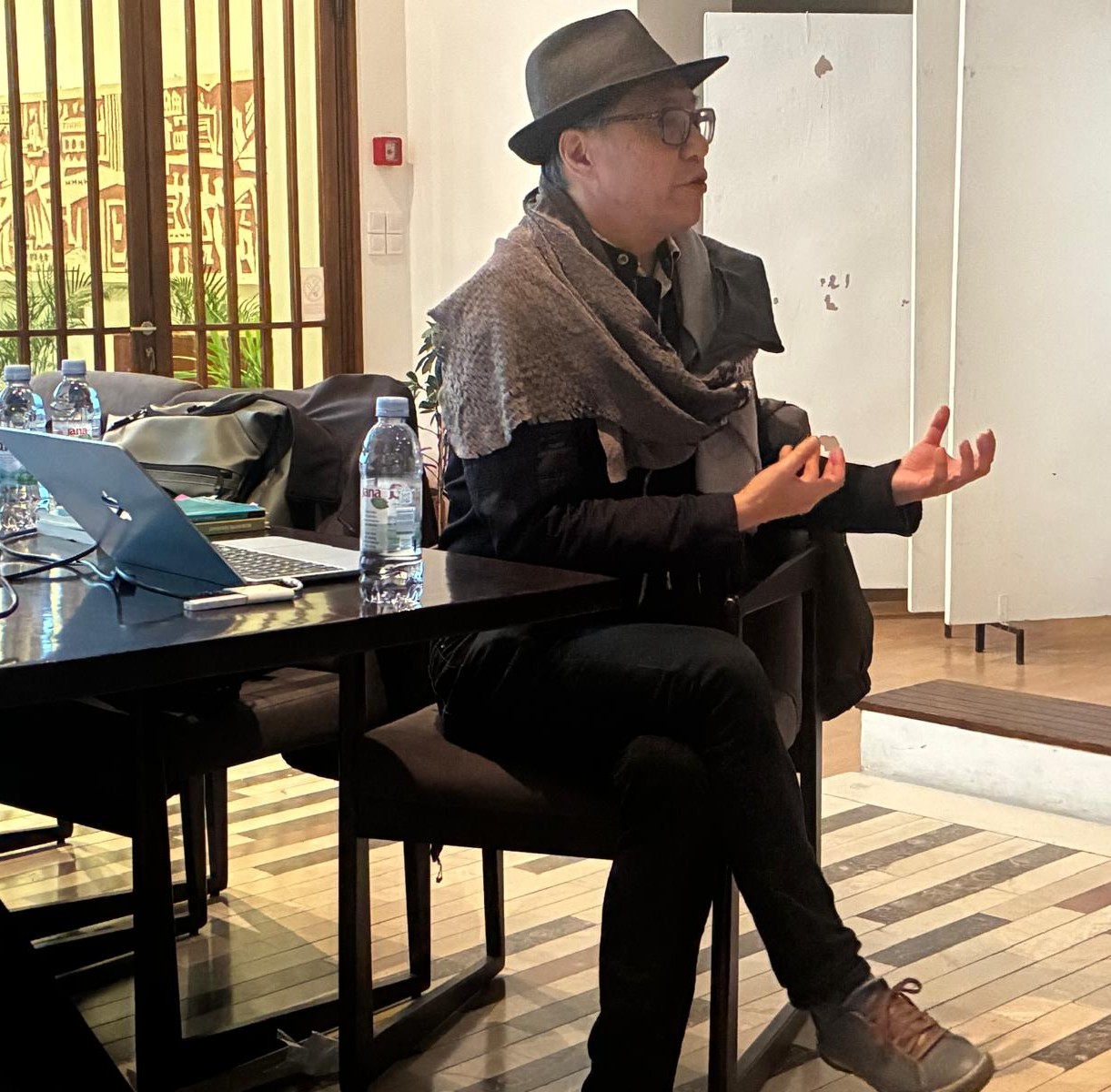
The lecture was well attended and sparked an interesting discussion. Prof. Ueno spoke about the tradition of interpreting the term archipelago so far, in order to indicate his own view of the term through philosophy, sociology, anthropology and art. Of the numerous authors who are important for recent interpretations of the archipelago, he particularly singled out Edouard Glissant. The term archipelago, discussions about it and the growth in the number of scientific research, publications, conferences and workshops dedicated to islands take on the characteristics of a turnaround in the social sciences and humanities, such as the “spatial”, “ethnographic” or a turnaround in relation to the concept of affect and emotion. The archipelago forces us to rethink history and the present, to new analyses of power relations and tensions between connecting and separating elements.
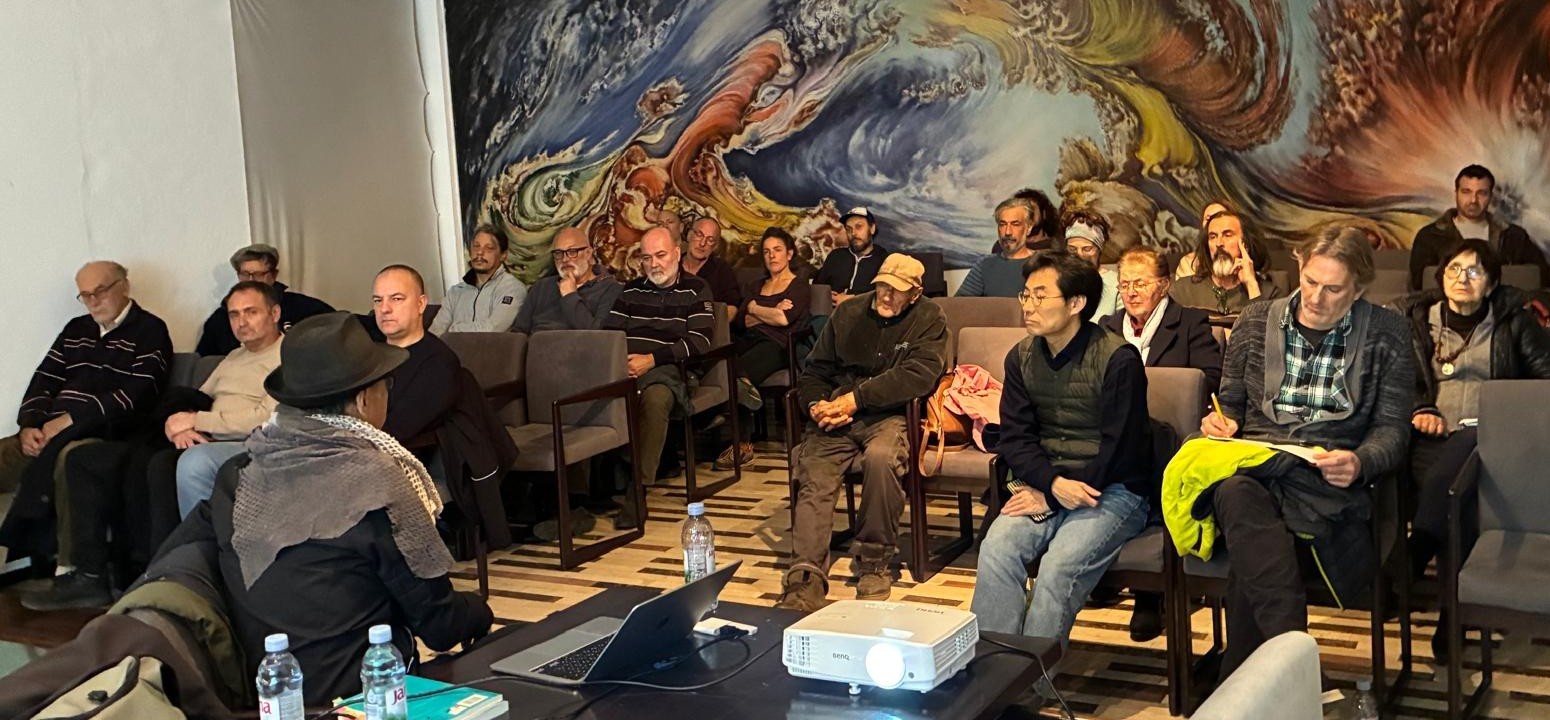
After the lecture and discussion, some of the participants continued to talk in an informal setting, expressing gratitude for the organization of the event. Of particular interest is the fact that, in addition to the people of Komiža and Vis, and colleagues from the University of Split, Prof. Alex Taek Gwang Lee, PhD, a distinguished South Korean scholar dealing with the socio-cultural aspects of the archipelago, engaged in the debate following the lecture.
Toshiya Ueno (born 1962) is a Japanese academic, cultural critic, media theorist, and DJ specializing in transcultural studies, critical theory, and social philosophy, particularly the works of Félix Guattari and cultural phenomena like rave scenes and digital diasporas. His career spans journalism, academia, and performance art; in the late 1980s and early 1990s, he contributed as a columnist to Japanese magazines on fashion, design, contemporary art, music, and film during the country’s bubble economy era. By the mid-1990s, Ueno shifted toward exploring global rave and techno-trance cultures, debuting as a DJ and “text jockey” (TJ) in scenes across Croatia, Germany, Amsterdam, and Japan, where he organized illegal parties, pirate radio stations, and open-air events. Ueno’s scholarly contributions integrate British cultural studies with Japanese contexts, emphasizing micro-politics, subcultures, and resistance to neoliberalism. More recently, Ueno’s research extends to ecosophy, animal studies, shamanism-animism, and the Anthropocene, applying Guattari’s ideas to Japanese literature and film, such as the works of Kōbō Abe. Among his notable publications are Japanese books like Situation, Cultural Politics of Rock and Pop (1996), Artificial Nature, On Cyborg Politics (1996), Thinking Diaspora (1999), and Cultural Studies, an Introduction (2000, co-authored), alongside English-language essays such as “Guattari and Japan” in Félix Guattari in the Age of Semiocapitalism (2012) and contributions to the Nettime archive. Ueno has presented internationally, including at the DARE 2015 conference on Deleuze and artistic research, and maintains active involvement in global cultural networks through DJing, collaborations, and critiques of techno-orientalism in animation and media. He has been a foreign collaborator on the TYPeS project since 2024.